Water-Damaged Drywall Repair in Franklin
After a leak, the goal is to remove what is ruined, make sure the cavity is dry, and rebuild so there is no trace of it.
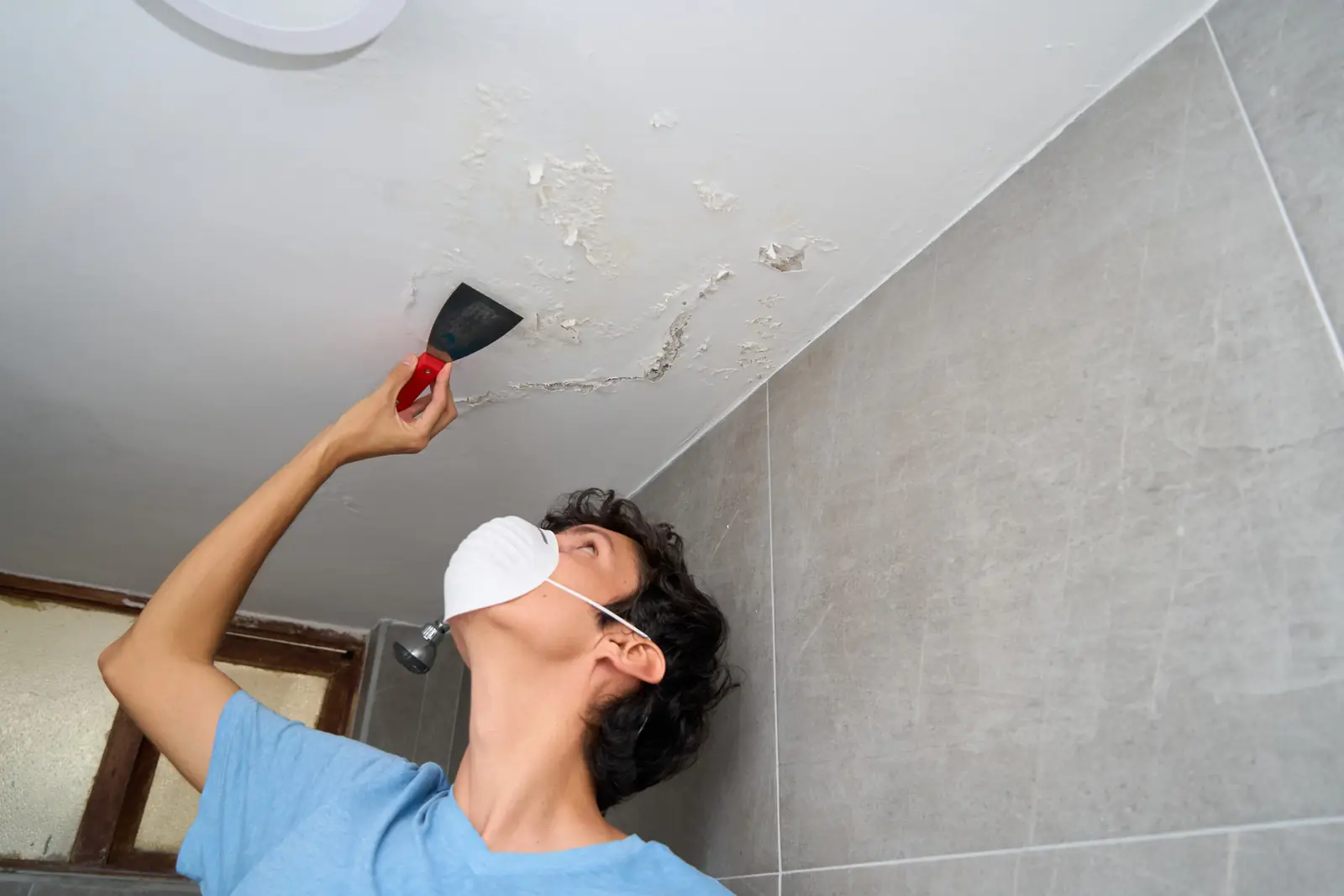
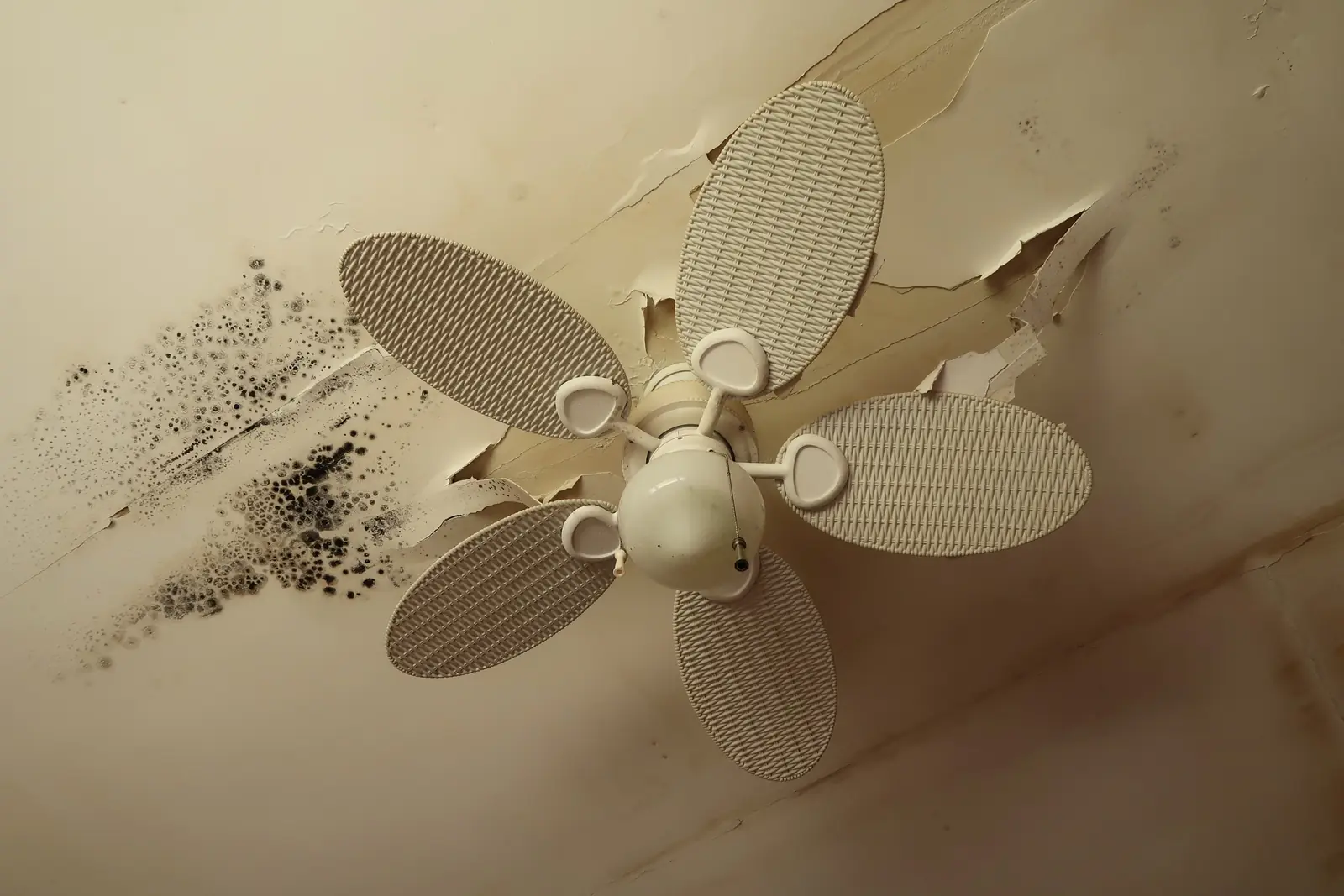
Drywall does not hold up well to water. The gypsum core softens, the paper face loses its bond, and seams start to bubble. Even after it dries, a stain usually bleeds through paint. When drywall stays wet for more than a day or two, mold becomes a real possibility inside the wall or above the ceiling.
Repairing water damage is mostly about judgment: knowing what can stay, what has to go, and when the area is actually dry enough to close up again. Franklin Elite Drywall handles the drywall side of that recovery — removal, replacement, and finishing — once the source of the water has been fixed.
Where water damage usually comes from
Bathroom and plumbing leaks
A slow drip from a supply line, toilet seal, or shower valve often shows up first on the ceiling below.
Roof leaks and ice dams
Melting snow backing up under shingles can wet ceilings and the tops of exterior walls, especially near eaves.
Appliance failures
Washing machines, water heaters, dishwashers, and refrigerator ice-maker lines.
Basement seepage
Groundwater or sump problems that wick up into finished basement walls.
HVAC condensation
Clogged condensate lines or sweating ducts dripping onto ceilings.
Repair or replace? How the decision gets made
A small stain on a ceiling that dried quickly and is still firm can often be sealed with a stain-blocking primer and repainted. Drywall that is soft, crumbling, sagging, or bubbling at the seams has lost its strength and needs to be cut out. The same goes for any area with visible mold or a musty smell.
Damaged board is cut back to sound, dry material — often to the nearest framing members so the new piece has something to fasten to. Wet insulation behind it is usually replaced too, because soaked fiberglass or cellulose holds moisture for a long time. A moisture meter is used to confirm the framing and surrounding drywall are dry before anything is closed up. Sealing in damp framing is how small leaks become mold problems later.
If mold growth is extensive or the water was contaminated — sewage, for example — a remediation company should handle the cleanup before rebuilding. Many insurance claims also need photos and documentation before materials are removed, so check with your insurer first if you plan to file.
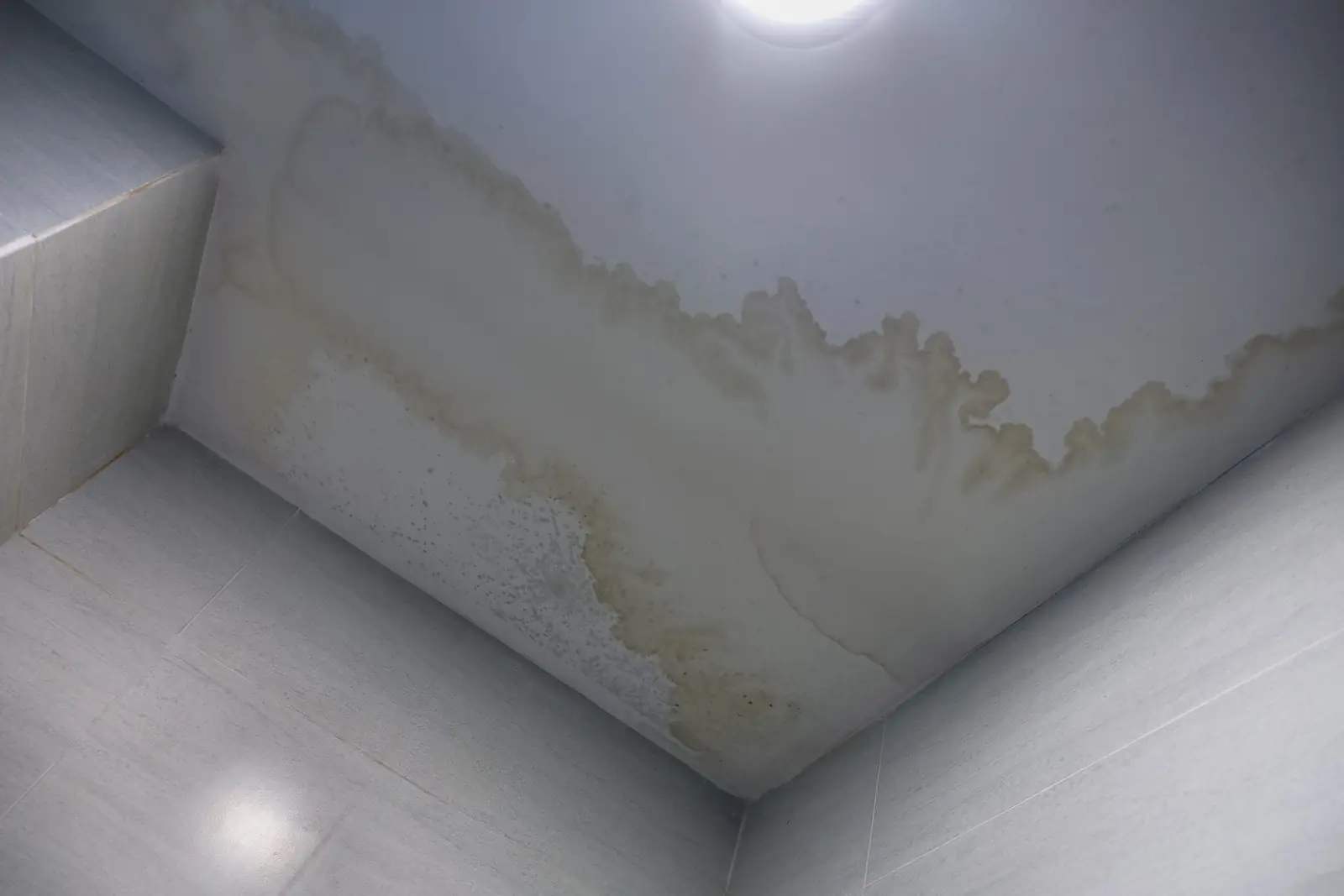
Representative photo.
The usual order of a water-damage repair
A general outline — the exact steps depend on the condition of the space and the scope you choose.
Confirm the leak is fixed
The source has to be repaired first — by a plumber, roofer, or HVAC technician — or the new drywall will be damaged again.
Inspect and measure moisture
Check the extent of the damage, test moisture levels, and look for mold.
Remove damaged material
Cut out wet or weakened drywall and insulation, then let the cavity dry fully.
Replace and finish
Install new insulation and drywall (moisture-resistant where it makes sense), tape and finish, and match texture.
Seal stains and prime
Treat surrounding stains with a stain-blocking primer so they do not bleed through the new paint.
Materials used in water-damage repairs
The right product depends on where it is going. These are the materials that most often come up for this kind of work.
Moisture meter
Confirms the framing and surrounding drywall are dry before closing up.
Moisture- or mold-resistant drywall
Used in bathrooms, laundry rooms, and basements where moisture is a continuing risk.
Replacement insulation
Fresh batts or blown-in material where the old insulation got soaked.
Setting compound and paper tape
For strong seams where new board meets old.
Shellac- or oil-based stain blocker
Locks in water stains so they do not reappear through latex paint.
Why careful repair pays off
- Hidden moisture is not sealed inside the wall or ceiling.
- Stains do not reappear a few weeks after painting.
- Repaired areas match the surrounding surface and texture.
- You have a clear picture of what was damaged, which helps with insurance paperwork.
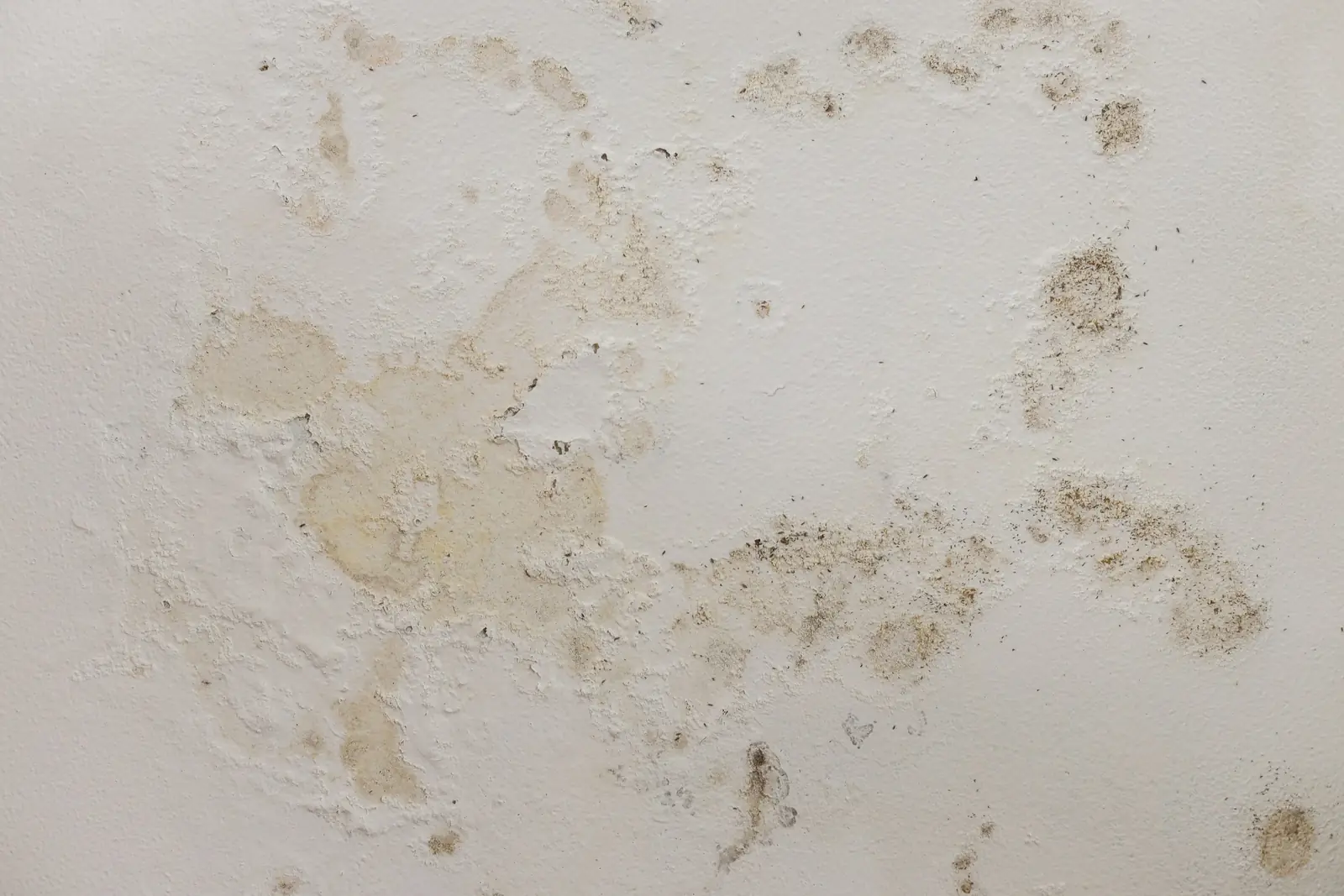
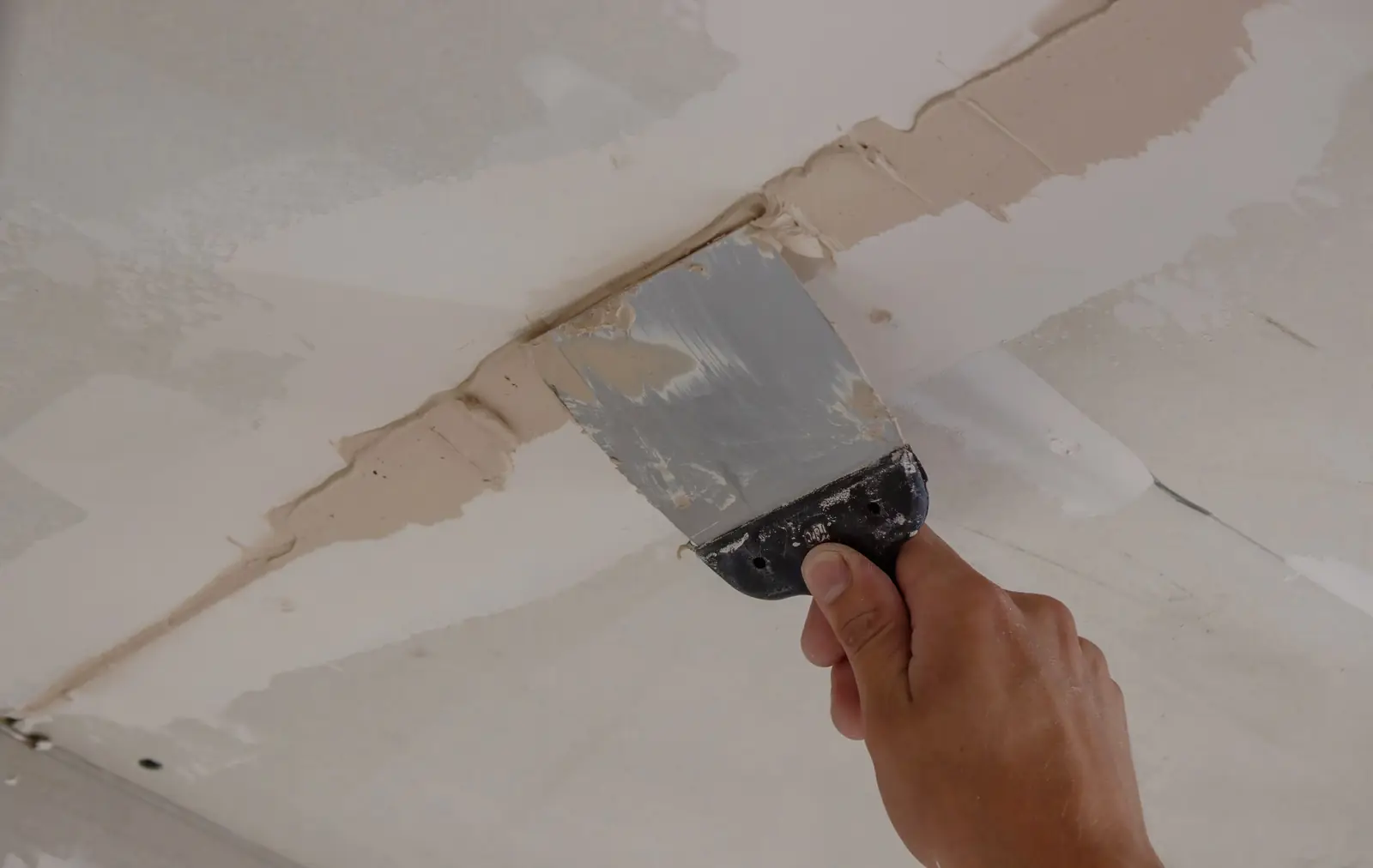
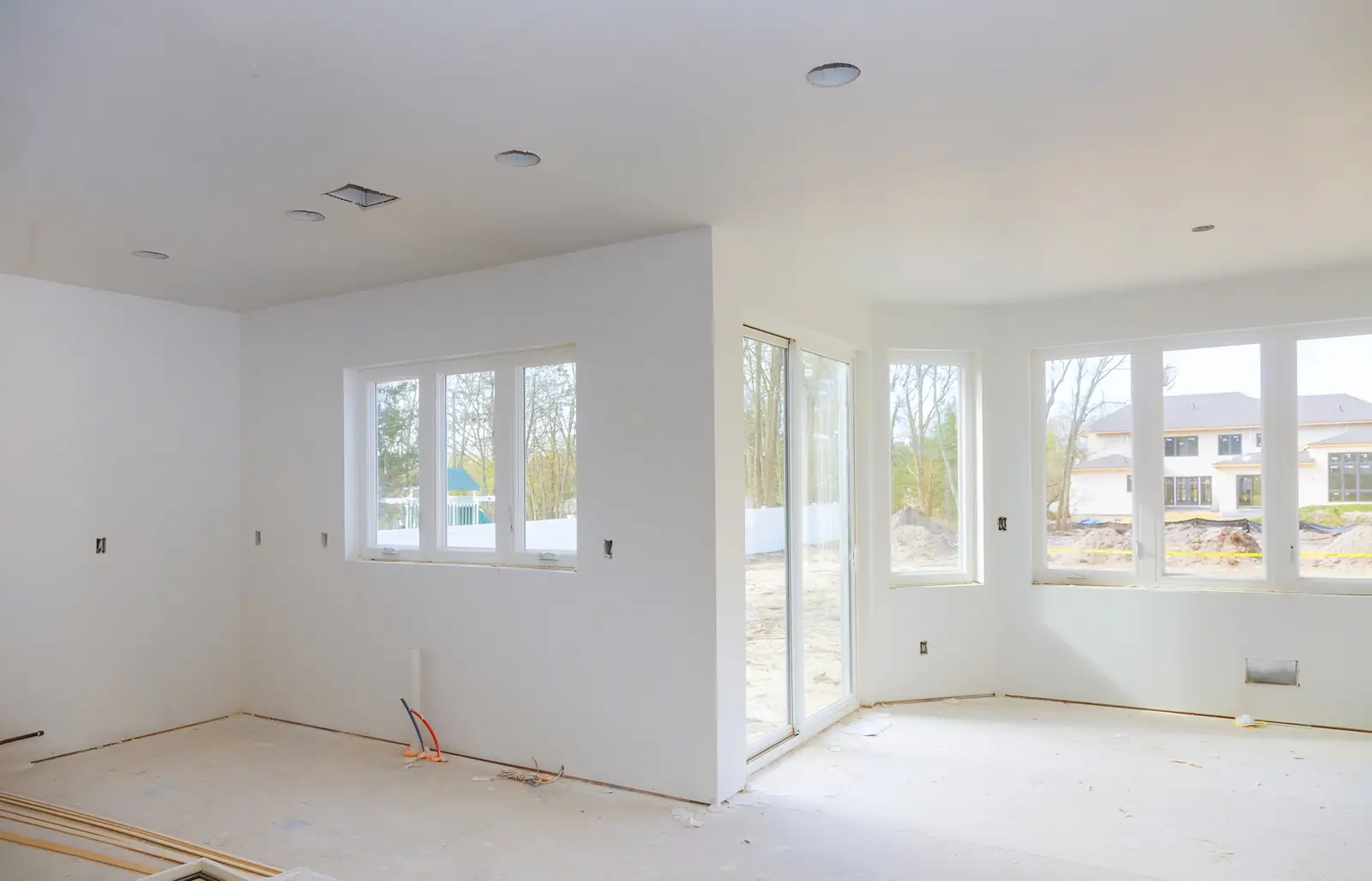
What water-damaged drywall repair changes.
Drag the divider (or focus it and use your arrow keys) to compare a typical starting condition with a finished result.
 BeforeAfter
Illustrative stock photography showing typical before and after conditions — not a Franklin Elite Drywall project. Real project photos will be added here.
Water damage in Wisconsin homes
Franklin’s winters bring their own risks. Ice dams along the eaves are a common cause of ceiling stains in upstairs rooms, and frozen pipes in exterior walls or unheated spaces can burst during a cold snap. Spring thaw and heavy summer rain are the usual times for basement seepage. If you have a stain that appeared after a thaw or storm, it is worth having the roof or drainage checked before repairing the drywall.
Water-Damaged Drywall Repair FAQs
Have a question that is not covered here? Include it with your estimate request.
Can I just paint over a water stain?
Not with regular paint — it will bleed through. If the drywall is still firm and dry, a stain-blocking primer followed by paint usually works. If the drywall is soft or sagging, it needs to be replaced.
How long should a wall dry before it is repaired?
It depends on how wet it got and the conditions in the room. Opening the wall and using fans or dehumidifiers speeds things up. The only reliable way to know is to measure moisture levels in the framing and surrounding drywall before closing up.
Do you handle mold removal?
Small areas of surface mold on drywall that is being removed anyway come out with the damaged material. Larger mold problems, or anything involving contaminated water, should be handled by a mold remediation specialist before the drywall is rebuilt.
Will insurance cover the drywall repair?
That depends on your policy and the cause of the leak. Contact your insurer before removing materials and take plenty of photos. We can provide a written scope of the drywall work for your claim.
Is a sagging ceiling dangerous?
It can be. Waterlogged ceiling drywall is heavy and can collapse. Keep people out from under it, shut off the water source, and call for help before trying to poke or drain it yourself.
Often part of the same project.
Ceiling Drywall Repair
Cracks, sagging panels, nail pops and leak damage overhead, repaired so the ceiling reads flat from every angle.
Learn more
Drywall Repair
Cracks, nail pops, torn paper, damaged corners and settling problems diagnosed and repaired so they stay fixed.
Learn more
Basement Drywall Installation
Lower-level walls, soffits and ceilings built for Wisconsin basements — dry, warm and finished to match upstairs.
Learn more
Drywall Patching
Doorknob holes, anchor damage and cut-outs from plumbers and electricians, patched flat and blended so they disappear under paint.
Learn more
Dealing with a leak?
Once the water source is fixed, send photos of the damage and a note about when it happened. We will follow up about repair.