Popcorn Ceiling Removal in Franklin, WI
Taking a dated textured ceiling down to a flat, clean surface that makes a room look brighter and newer.
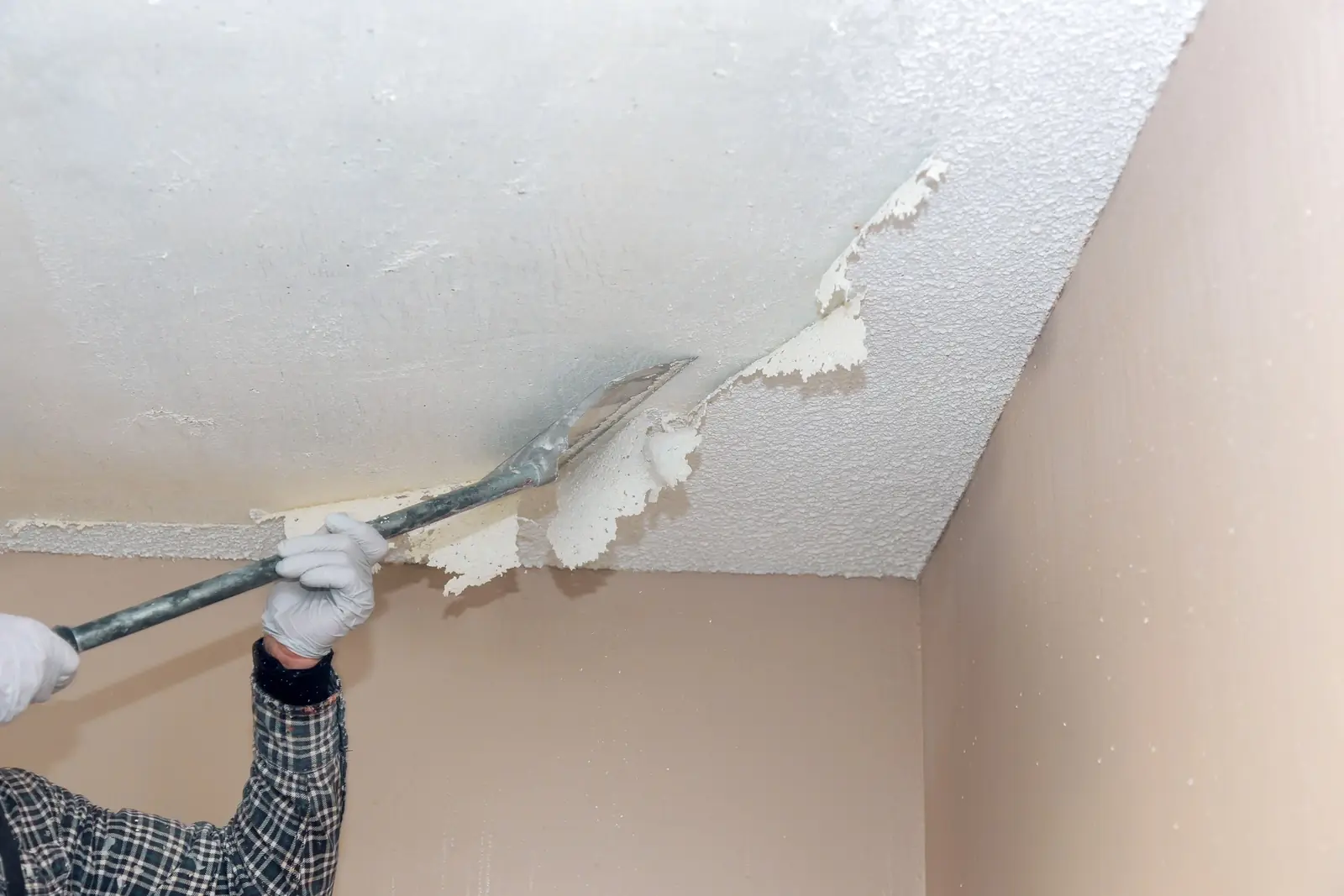
Popcorn, or acoustic, ceiling texture was sprayed onto ceilings in many homes built from the 1950s through the 1980s. It hid imperfections and dampened sound a little, but it collects dust and cobwebs, is hard to clean, and is almost impossible to patch invisibly. It also makes rooms look darker and older than they are.
Removing it well takes more than a scraper. The room has to be fully protected, the texture has to come off without gouging the paper face of the drywall underneath, and the ceiling almost always needs repair and skim coating before it is ready for paint. That last part is where most of the time — and most of the difference in results — comes from.
Situations where removal makes sense
Updating an older home
Removing texture is one of the biggest visual changes you can make to a 1970s or ’80s room.
Before new lighting
Recessed lights and LED fixtures throw light across a ceiling and exaggerate texture; flattening it first avoids a shadowy look.
Damaged or stained texture
Water stains and patches in popcorn are very hard to hide. Removing the texture gives a clean slate.
Preparing a house for sale
Flat ceilings photograph better and read as updated to buyers.
First question: is there asbestos in the texture?
Some acoustic ceiling textures applied before the mid-1980s contain asbestos. You cannot tell by looking. The only way to know is to have a sample tested by an accredited lab, which is inexpensive and usually quick. We ask about testing before any scraping is scheduled.
If the test is negative, removal can go ahead normally. If it is positive, the texture must not be scraped by a drywall crew — it needs to be handled by a licensed asbestos abatement contractor following Wisconsin’s rules. Once the ceiling has been cleared, the drywall repair, skim coat, and finish work can be done as usual. In some cases, covering the existing ceiling with new 1/4-inch or 3/8-inch drywall is an alternative worth discussing with an abatement professional.
Homes built before 1978 may also have lead-based paint on or under the texture if it was painted. That calls for lead-safe work practices, which is another reason to answer these questions before anything is disturbed.
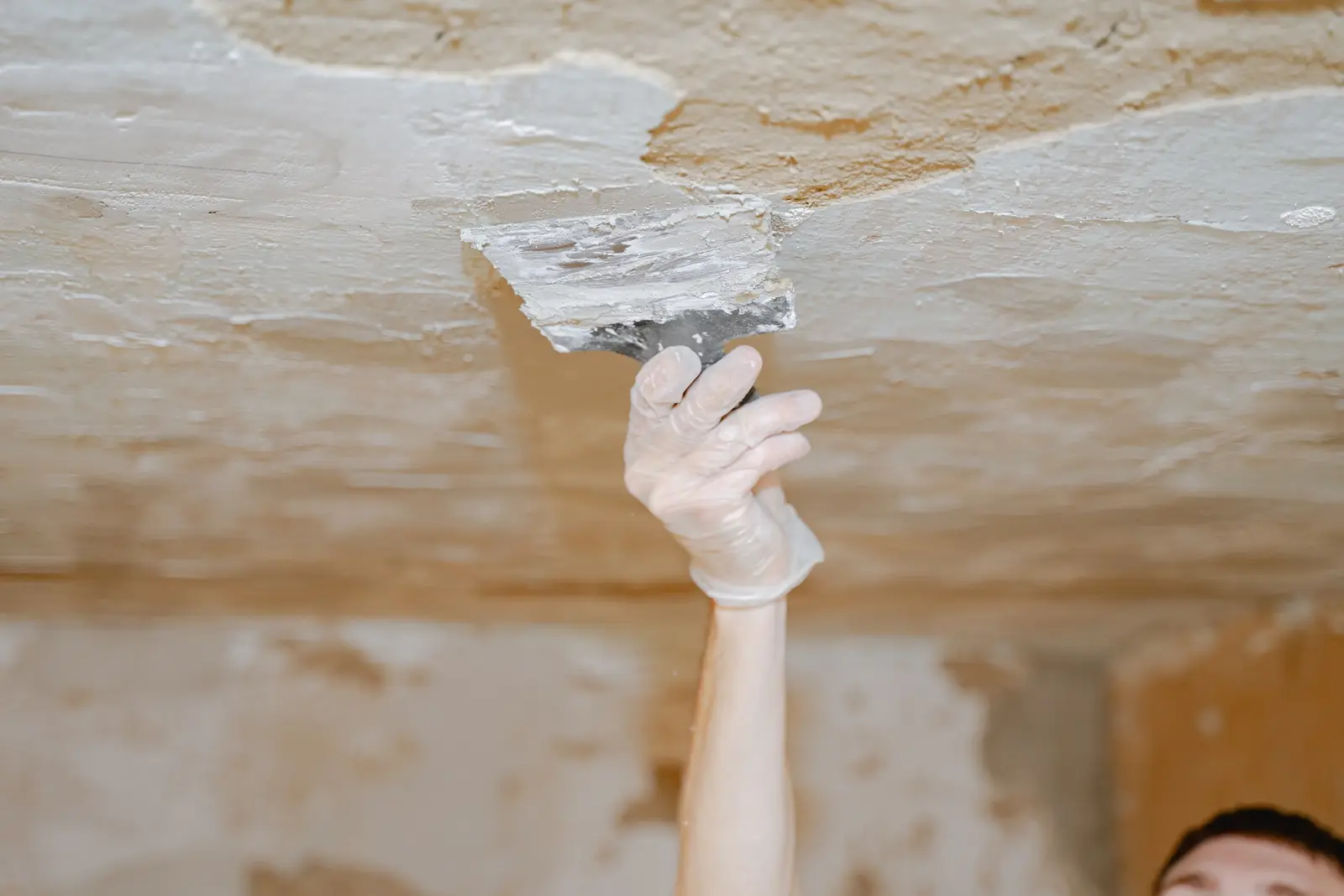
Representative photo.
How a removal project typically goes
A general outline — the exact steps depend on the condition of the space and the scope you choose.
Testing and planning
Confirm the texture has been tested, check for stains or sagging, and plan around light fixtures, smoke detectors, and vents.
Room protection
Furniture out or covered, floors covered, walls masked with plastic from ceiling to floor, and HVAC openings sealed.
Wet and scrape
Unpainted texture is misted lightly to soften it and scraped off in sections. Painted texture may need a different approach or a skim coat over the top.
Repair and skim
Gouges, loose tape, and old patches are fixed, then the ceiling gets one or more skim coats so it reads flat under light.
Sand, prime, clean
The ceiling is sanded smooth and primed, the plastic comes down, and debris is bagged and removed.
Tools and materials involved
The right product depends on where it is going. These are the materials that most often come up for this kind of work.
Plastic sheeting and tape
Full containment from ceiling to floor; the texture falls in a wet, heavy mess that gets everywhere.
Pump sprayer and wide scrapers
Light misting and broad blades that take the texture off without digging into the paper.
Setting compound
For filling gouges and re-securing loose tape at seams.
Lightweight or topping compound
Thin, smooth coats for skimming the entire ceiling surface.
Drywall primer or PVA
Seals the skimmed surface so paint goes on evenly.
What changes after removal
- Rooms look brighter, taller, and more current.
- Ceilings are easier to clean and repaint.
- Future repairs blend in instead of leaving a visible patch.
- New lighting looks the way it was meant to, without textured shadows.
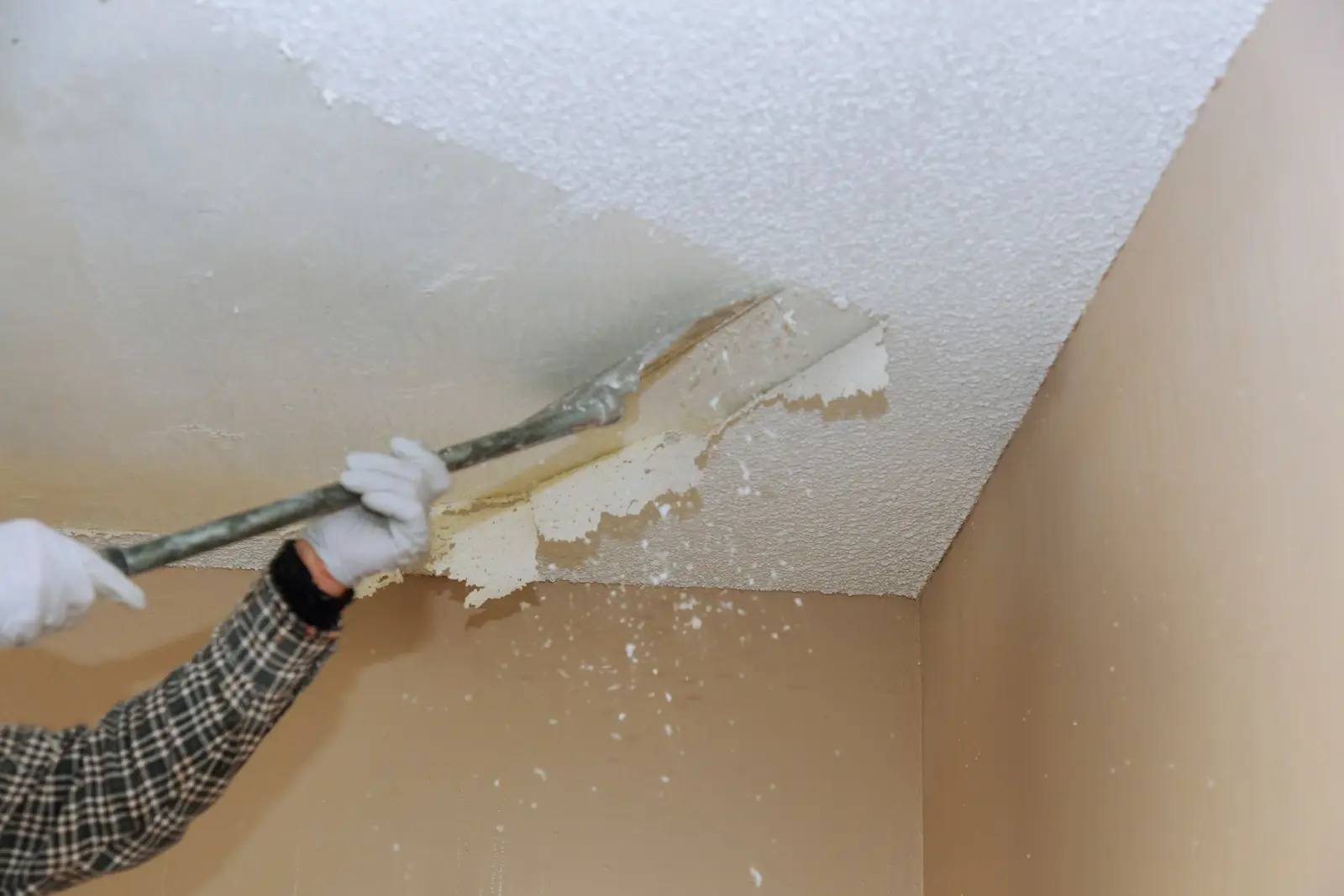
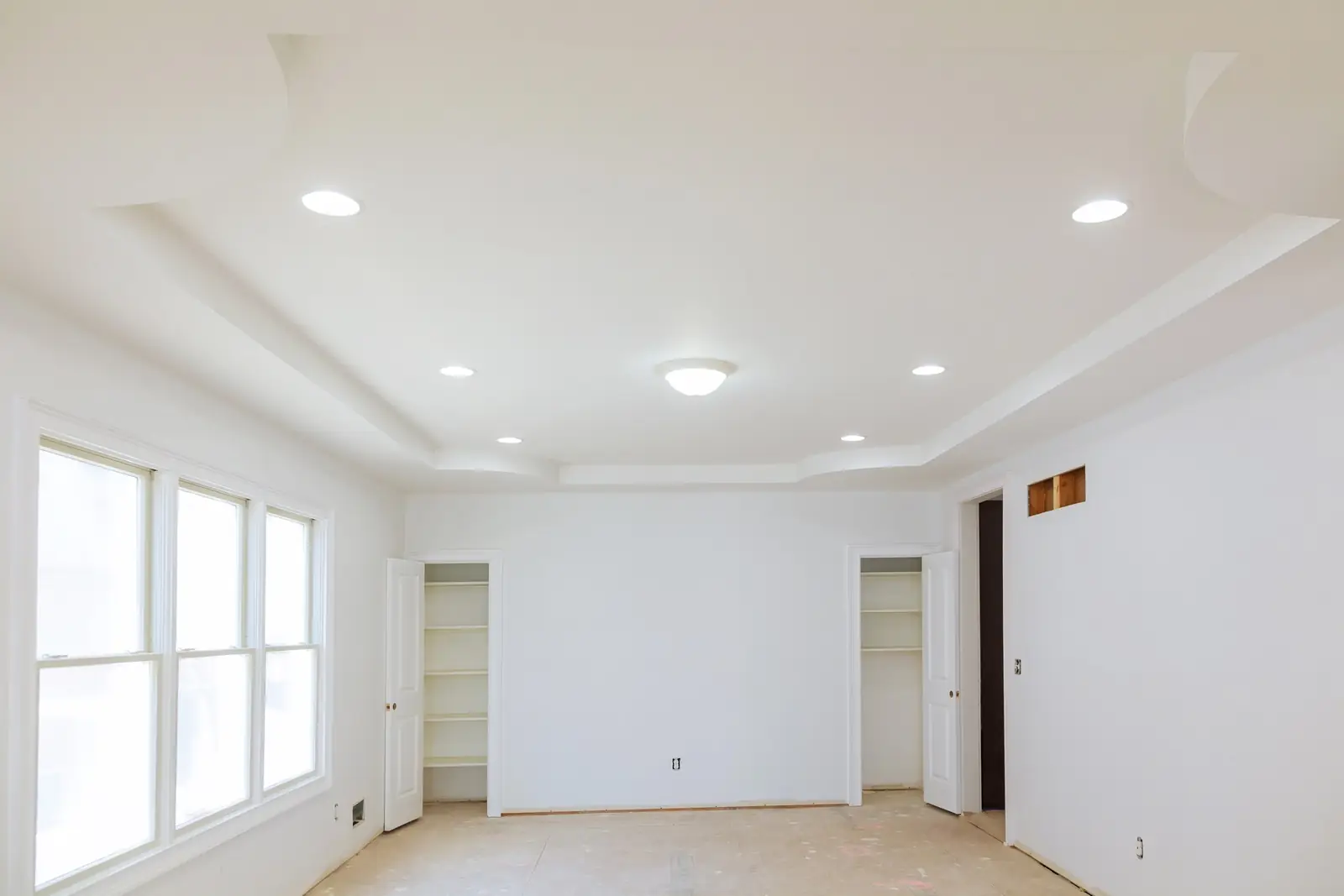
What popcorn ceiling removal changes.
Drag the divider (or focus it and use your arrow keys) to compare a typical starting condition with a finished result.
BeforeAfter
Illustrative stock photography showing typical before and after conditions — not a Franklin Elite Drywall project. Real project photos will be added here.
Popcorn ceilings in Franklin homes
A large share of Franklin’s homes were built during the decades when acoustic texture was the default ceiling finish, so popcorn ceilings are common in ranches, split-levels, and early two-story homes around the city. Many have been painted over at least once, which makes them harder to scrape and makes a skim-coat approach more likely. We will look at your ceiling and tell you which approach makes sense.
Popcorn Ceiling Removal FAQs
Have a question that is not covered here? Include it with your estimate request.
Does my popcorn ceiling contain asbestos?
Only a lab test can say. Textures applied before the mid-1980s are the main concern. Testing is quick and relatively inexpensive, and it should be done before anyone scrapes.
What if my popcorn ceiling has been painted?
Paint seals the texture so water cannot soften it, which makes scraping much harder and more likely to damage the drywall. Sometimes it still comes off; other times it is better to skim over it or cover the ceiling with thin new drywall.
Can I stay in the house during removal?
Usually, yes, as long as the room being worked on is sealed off. It is messy work, so most people plan to avoid that room for a few days.
Will the ceiling be perfectly flat afterward?
Scraping alone rarely leaves a ceiling paint-ready. Skim coating is what makes it flat. How flat depends on the condition of the drywall underneath and the finish level chosen, which we will explain when we quote.
Do you texture the ceiling again afterward?
Most people want it smooth. If you prefer a light modern texture, such as a fine knockdown, that can be applied instead.
Often part of the same project.
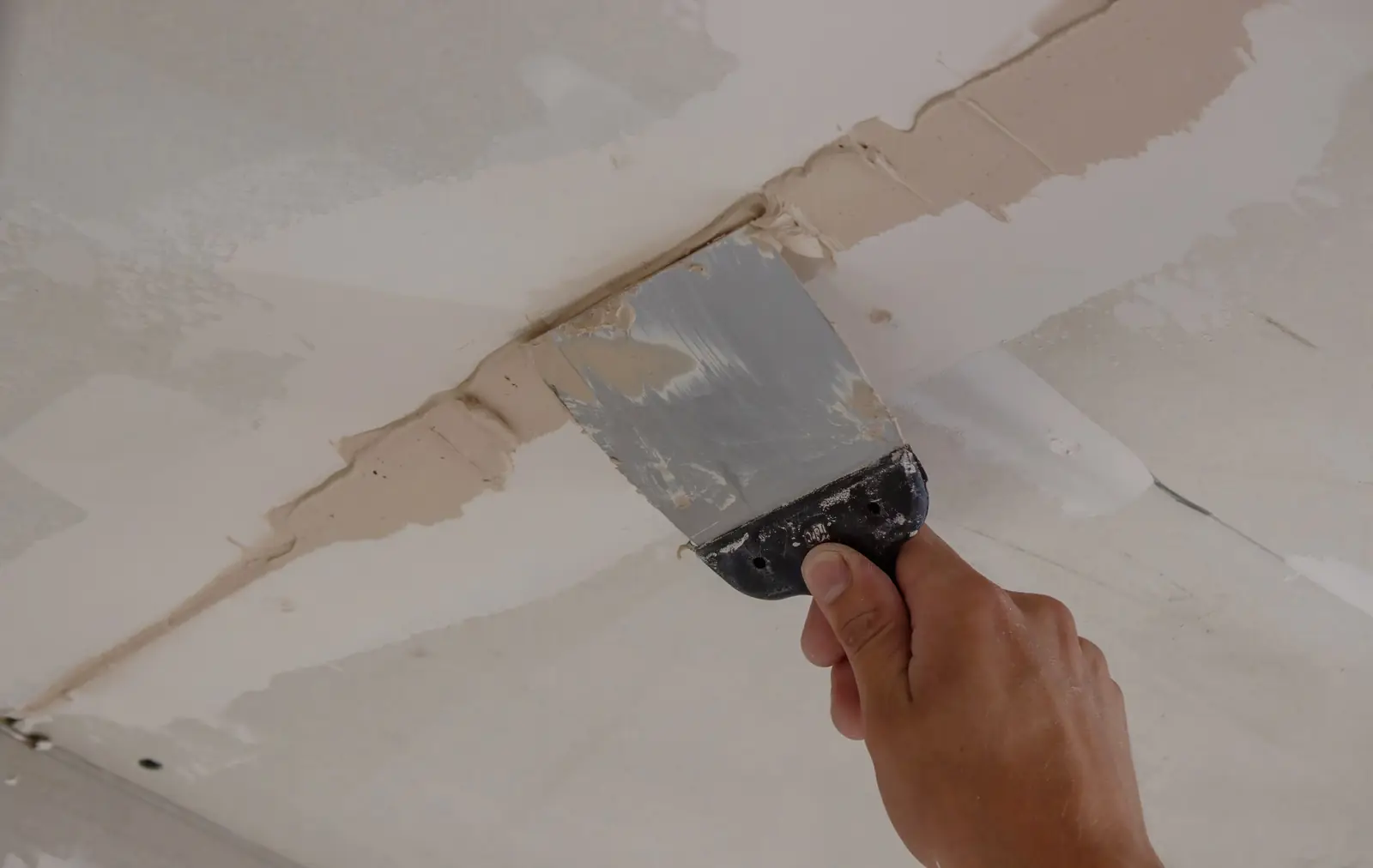
Ceiling Drywall Repair
Cracks, sagging panels, nail pops and leak damage overhead, repaired so the ceiling reads flat from every angle.
Learn more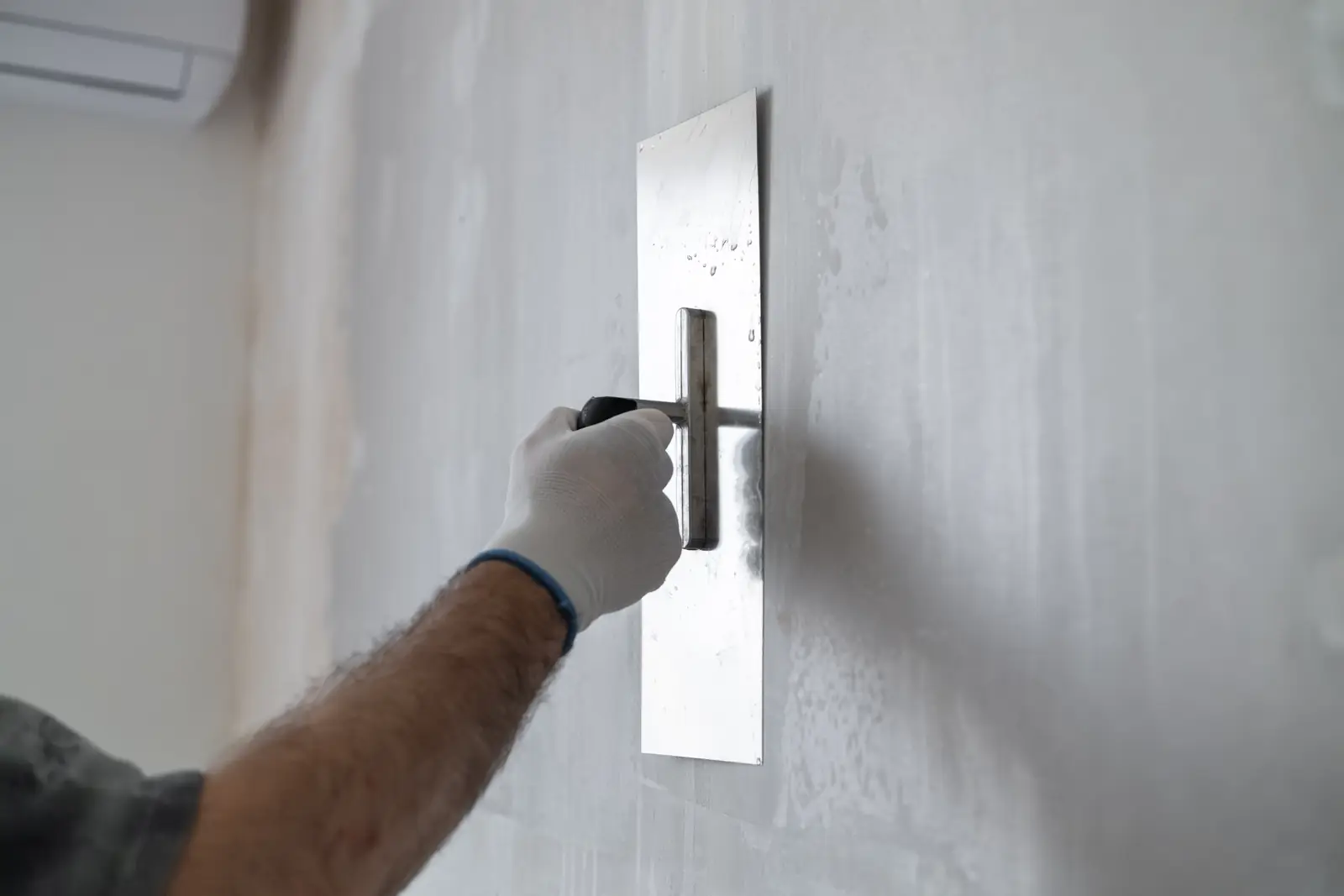
Drywall Finishing
Finish levels matched to your lighting and paint — up to a full Level 5 skim for walls that have to look flawless.
Learn more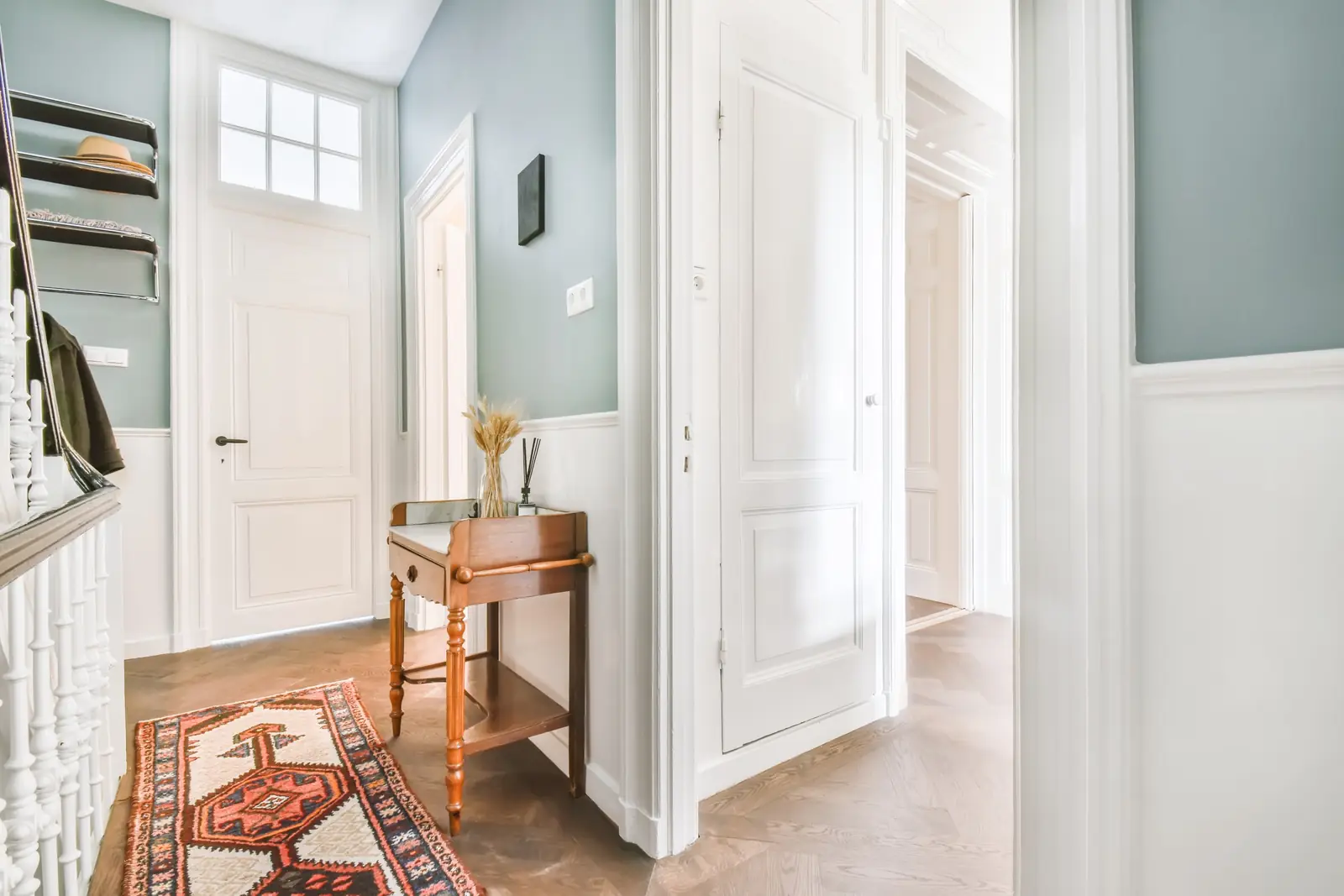
Residential Drywall Services
Remodels, additions, finished lower levels and everyday repairs, handled with drop cloths down and furniture protected.
Learn more
Drywall Taping & Mudding
Seams, corners and fasteners taped and coated with the right compound for each step, so joints stay flat and crack-free.
Learn more
Ready to lose the popcorn?
Send a photo of the ceiling and let us know if it has been tested or painted. We will follow up with next steps.